
Protecting the Asset That Helps Build Wealth

Your income drives every financial goal - paying down debt, owning a home, saving for retirement, and building financial freedom.
At Millionaires in Medicine, the focus is on building confidence and structure around budgeting, investing, and long-term planning. That progress depends on consistent income.
What happens if you can’t work?
Disability insurance exists to protect cash flow – the same way diversification protects a portfolio or insurance protects a property. During the accumulation phase of your career, income continuity is the foundation of every financial strategy. Without it, even disciplined savers and investors are forced into damage control.
A medical professional earning $100,000 at age 32 is on track to generate nearly $7 million over his or her career. Shouldn’t that multi-million dollar asset be insured?
Disability Risk is More Common Than People Realize
Many people assume disability only applies to catastrophic events, like paralysis from a car accident or a traumatic brain injury. The most common causes of disability are far more routine:
- Musculoskeletal disorders (25%)
- Injuries such as fractures, sprains, and strains of muscles and ligaments (13%)
- Cancer (12%)
- Mental health issues (10%)
- Circulatory (heart attack, stroke) (8%)
For example:
- A PA with a shoulder injury may struggle with procedural duties
- A CRNA with essential tremors may no longer safely administer anesthesia
- An NP experiencing burnout may be unable to maintain clinical hours
- A PharmD with lower back pain may struggle to stay on their feet for a full workweek
A disability doesn’t need to be permanent to disrupt your income and career.
Source: Council for Disability Awareness – Long-Term Disability Statistics
Why Employer Disability Benefits Are Inadequate
Many medical professionals assume their employer’s long-term disability (LTD) benefit is “good enough.” In reality, group coverage often falls short in several ways:
- Receive Less Monthly Income
Most employer LTD benefits replace 50-60% of your salary. On top of that, benefits are often taxable and will be reduced by any other earnings you receive while disabled, such as Social Security, Workers’ Compensation, lawsuit settlements, or income from another job.
- Excludes Bonuses, Overtime, and Side Income
Group policies may explicitly exclude overtime, moonlighting, call pay, bonuses, and shift differentials – even though these often make up a significant portion of your total earnings.
- Weak Disability Definitions
Group policies usually define disability based on the duties of the occupation you’re performing. If you are working in any capacity while disabled, your claim will not qualify as a “total disability.” Some plans even change the definition after 24 months of receiving benefits, requiring that you be unable to work in any occupation to continue receiving claims.
- Not Portable
If you change jobs, the benefit will disappear. You can’t take the policy with you, leaving a gap in protection.
How to Fully Protect Your Income
While employer coverage often leaves gaps, individual disability insurance can provide the protection you actually need. A properly structured policy uses a true own-occupation definition of disability, which means it pays benefits if you can’t perform the duties of your specialty – even if you choose to work in another capacity while disabled. These benefits are not reduced by other income you earn while disabled.
Consider how this works in practice:
- The PA with a shoulder injury who struggled with procedural duties might transition to telemedicine
- The CRNA with essential tremors who can no longer administer anesthesia moves into consulting
- The NP experiencing burnout who stops seeing patients may earn income in clinical writing
- The PharmD with lower back pain who can’t round with medical teams could work in research and development
With true-own occupation, you continue receiving benefits for the specialty you can’t perform, even while earning income in a different role.
Buying Disability Insurance Early Is a Strategic Decision
Disability insurance pricing is driven by age and health. When you apply, insurers review your prescription reports, claims history, and sometimes medical records to assess your risk. Pre-existing conditions that pose a higher disability risk may result in exclusions, modified benefits, or even declined coverage.
That’s why the best time to secure coverage is when you’re young and healthy. Purchasing earlier allows you to:
- Lock in lower premiums
- Secure coverage before health changes occur
- Add future increase riders, letting you increase benefits as your income rises – without additional medical reviews
Disability Insurance as a Foundation for Wealth Building
You build wealth through intentional income management and long-term planning. Disability insurance protects this framework by:
- Preserving cash flow
- Preventing forced liquidation of investments
- Keeping debt and investing strategies intact
- Maintaining flexibility during unexpected disruptions
Just as you insure your property and liability exposures, you should insure your income - the engine behind every financial goal.
Bottom Line
Your income powers your financial goals. Protecting it safeguards everything you’re working toward.
The goal isn’t simply to have coverage, but to have coverage that:
- Protects your specialty
- Is adjustable as your income changes throughout your career
- Remains portable and follows you regardless of where you live or work
That’s how medical professionals protect the asset that helps build wealth.
See What Proper Coverage Looks Like
Protuity helps medical professionals compare disability insurance clearly and efficiently – without any pressure or unnecessary complexity.
Request a personalized quote comparison
Author

Kristin Burton
Founder
Kristin Burton is a pulmonary/critical care PA and founder of Millionaires in Medicine. She paid off $161,000 in student loan debt in 16 months, and then went on to become a millionaire at 31.

Have insurance needs?
Look no further than Protuity for your life and disability insurance.

Navigating physician contracts can be overwhelming. Resolve offers a personalized legal experience to equip you with the tools and support needed to secure the best terms for your career.
Use code MIM15 to receive a 15% discount at checkout.

Doc2Doc helps healthcare providers explore personal loan options to consolidate debt, simplify payments, and potentially lower what they’re paying in interest.
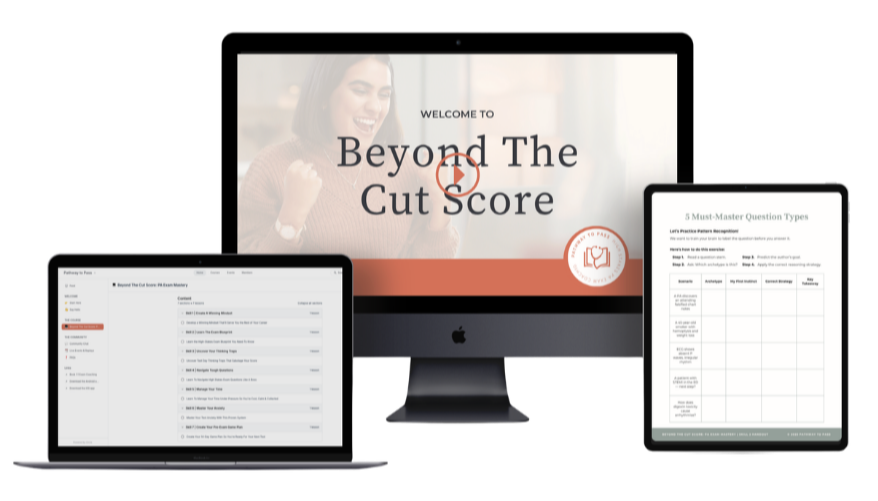
Prepping for EORs, PANCE, PANRE, or EOC?
Get the support you need right now to stop second guessing your test answers, ditch your anxiety, and learn the 7 critical test-taking skills you need to knock your PA exams out of the park.